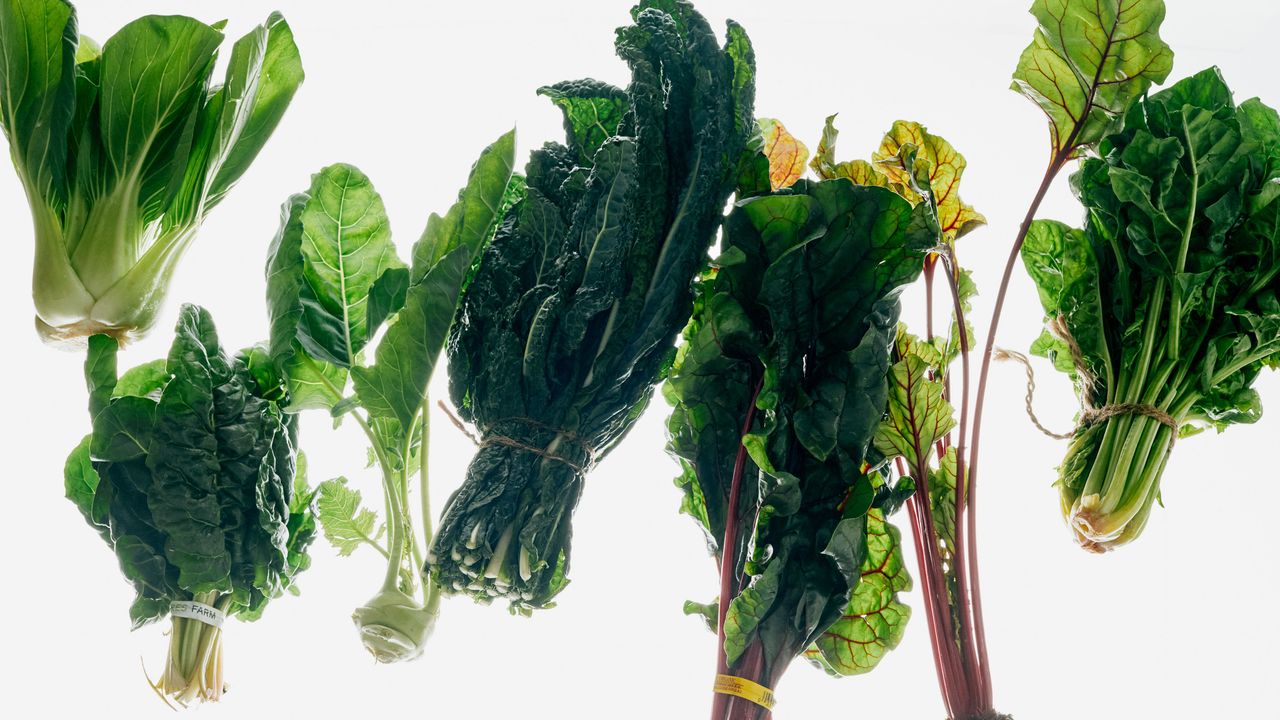
In a world often buzzing with news of political shifts and electoral victories, like a recent "greens by-election win" that might capture headlines, there's another kind of triumph unfolding every day – one that impacts our personal well-being far more intimately than any ballot box result. We're talking about the silent, powerful victory that comes from nourishing your body with one of nature's most humble yet potent superfoods: green leafy vegetables. While the political "Greens" may celebrate their moment, we're here to champion the enduring health "win" that comes from embracing a diet rich in nature's greens.
Far from being mere side dishes or salad fillers, leafy greens are nutritional powerhouses packed with an astonishing array of vitamins, minerals, antioxidants, and fiber. They are the unsung heroes of a balanced diet, offering profound benefits for everything from cardiovascular health to cognitive function. This article delves into the incredible world of green leafy vegetables, uncovering their nutritional secrets, exploring diverse types, and providing practical tips to make them a delicious and indispensable part of your daily life.
The Unrivaled Nutritional Profile of Leafy Greens
What makes leafy greens so exceptional? Their nutrient density is truly remarkable. For very few calories, you get a concentrated dose of essential compounds vital for optimal health. This rich nutritional tapestry includes:
- Vitamins Galore:
- Vitamin K: Crucial for blood clotting and bone health, many greens (especially kale, spinach, and collard greens) are incredibly high in this vitamin, contributing significantly to bone density and potentially reducing the risk of fractures.
- Vitamin A (as beta-carotene): Important for vision, immune function, and skin health. Think vibrant, deep green hues as indicators of this powerful antioxidant.
- Vitamin C: A potent antioxidant that boosts the immune system, aids in collagen production, and helps absorb non-heme iron from plant-based foods.
- Folate (Vitamin B9): Essential for cell division and DNA synthesis, folate is particularly important during pregnancy to prevent birth defects and plays a role in heart health by helping to regulate homocysteine levels.
- Mineral Marvels:
- Iron: While plant-based iron (non-heme) is less readily absorbed than animal-based iron, the combination with Vitamin C in greens helps improve absorption. Iron is vital for oxygen transport in the blood.
- Calcium: Many greens, particularly collards, kale, and turnip greens, offer a significant amount of plant-based calcium, crucial for bone and teeth health, muscle function, and nerve transmission.
- Magnesium: Involved in over 300 biochemical reactions in the body, magnesium supports muscle and nerve function, blood glucose control, and blood pressure regulation.
- Potassium: An electrolyte important for maintaining fluid balance, nerve signals, and muscle contractions, potassium in greens helps counteract the effects of sodium on blood pressure.
- Antioxidant Powerhouses: Greens are loaded with a variety of antioxidants like lutein and zeaxanthin (great for eye health), quercetin, and various carotenoids and flavonoids. These compounds combat oxidative stress, protecting cells from damage caused by free radicals and reducing the risk of chronic diseases.
- Fiber for Digestive Health: High in both soluble and insoluble fiber, leafy greens support a healthy digestive system, prevent constipation, and contribute to satiety, which can aid in weight management. Fiber also plays a role in regulating blood sugar and cholesterol levels.
Beyond the Basics: Exploring Diverse Types of Greens
When most people think of "greens," they often picture a basic head of iceberg or romaine lettuce. However, the world of leafy greens is incredibly vast and varied, offering a spectrum of flavors, textures, and nutritional profiles. Expanding your repertoire can make meal planning exciting and ensure a broader range of nutrients.
Consider venturing beyond the usual suspects:
- Kale: The reigning king of supergreens, available in curly, Lacinato (dinosaur), and red varieties. Known for its robust, slightly bitter flavor and incredible nutrient density.
- Spinach: A versatile, tender green with a milder taste, perfect for raw salads, sautéing, or adding to smoothies.
- Swiss Chard: Featuring vibrant stems (red, yellow, white), chard has an earthy flavor and tender leaves when cooked.
- Collard Greens: A staple in Southern cuisine, these large, sturdy leaves are best slow-cooked to tender perfection, offering a rich, earthy flavor.
- Arugula: With its peppery, slightly bitter notes, arugula adds a fantastic zing to salads, pizzas, and sandwiches.
- Bok Choy: A crunchy, mild-flavored Chinese cabbage, excellent in stir-fries and soups.
- Mustard Greens: Known for their pungent, peppery kick, these are fantastic cooked down or added sparingly to salads.
- Turnip Greens: Similar to collards but with a slightly stronger, peppery flavor, often cooked with smoky meats.
- Watercress: Small, delicate leaves with a bright, peppery flavor, ideal for salads or garnishes.
- Endive and Radicchio: Both offer distinct bitter notes, adding complexity and crispness to salads.
Each type brings its unique character to the table, both nutritionally and culinarily. For those eager to deepen their exploration of the vast green landscape and unlock a world of culinary possibilities, our companion article, Beyond Basic Salad: Explore 15 Types of Greens and Recipes, provides an even more comprehensive guide to these wonderful vegetables.
Making Greens a Dietary Staple: Practical Tips and Culinary Wisdom
Incorporating more greens into your diet doesn't have to be a chore. With a few simple tips and a dash of creativity, you can easily elevate your meals and boost your nutrient intake.
Selection and Storage for Optimal Freshness
The journey to enjoying fresh greens begins at the market. Look for vibrant, crisp leaves without any yellowing, wilting, or brown spots. A good indicator of freshness is a sturdy stem and a lively color. Once home, proper storage is key to extending their shelf life:
- Wash only when ready to use: Excess moisture can cause greens to spoil faster.
- Dry thoroughly: If pre-washing, use a salad spinner or paper towels to remove as much moisture as possible.
- Store in a breathable bag or container: Wrap greens in a paper towel and place them in a plastic bag or an airtight container to maintain moisture without trapping too much humidity.
- Refrigerate: Most greens will last 3-7 days in the crisper drawer of your refrigerator.
Creative Culinary Approaches: Beyond the Salad Bowl
While fresh salads are fantastic, greens are incredibly versatile and can be incorporated into countless dishes:
- Smoothies and Juices: A handful of spinach or kale can disappear seamlessly into a fruit smoothie, boosting its nutritional content without altering the taste significantly.
- Sautéed Sides: Quickly sauté tougher greens like kale, collards, or Swiss chard with garlic, olive oil, and a splash of lemon juice or vinegar for a flavorful and nutrient-dense side.
- Soups and Stews: Add chopped greens to nearly any soup, stew, or chili during the last few minutes of cooking. They'll wilt down beautifully and enrich the broth.
- Stir-fries: Bok choy, spinach, or even chopped kale work wonderfully in Asian-inspired stir-fries.
- Baked and Roasted: Kale chips are a popular, healthy snack. You can also roast heartier greens with other vegetables.
- Egg Dishes: Fold sautéed greens into omelets, frittatas, or quiches for a nutrient-packed breakfast or brunch.
- Sandwiches and Wraps: Layer a generous amount of fresh greens onto your sandwiches and wraps for extra crunch and nutrition.
Maximizing Nutrient Absorption
A few culinary tricks can enhance your body's ability to absorb the goodness from greens:
- Pair with Healthy Fats: Many vitamins in greens (like A and K) are fat-soluble. Drizzle your salads with olive oil-based dressings or include avocado in your green-rich meals.
- Light Cooking: While cooking can make some nutrients more bioavailable (like beta-carotene), overcooking can degrade others (like Vitamin C). Aim for light steaming, sautéing, or blanching.
- Acidic Elements: A squeeze of lemon juice or a dash of vinegar can not only brighten flavors but also aid in the absorption of iron.
For an even deeper dive into the art and science of preparing diverse greens, from delicate to hearty, make sure to explore our expert guide: Chef's Guide: Mastering Diverse Leafy Greens and Their Cookery.
The Long-Term Health Wins: A Deeper Dive into Benefits
The immediate boost you get from greens is just the beginning. Consistent consumption of these verdant vegetables contributes to significant long-term health benefits, truly representing a lasting "win" for your well-being.
- Heart Health Champion: The combination of potassium, magnesium, fiber, and antioxidants in greens contributes to healthy blood pressure, reduced cholesterol levels, and improved blood vessel function, significantly lowering the risk of heart disease.
- Blood Sugar Regulation: The high fiber content helps slow down sugar absorption, preventing spikes and promoting stable blood glucose levels, which is crucial for managing and preventing type 2 diabetes.
- Gut Health Powerhouse: Fiber feeds beneficial gut bacteria, promoting a diverse and healthy microbiome. A healthy gut is linked to improved digestion, enhanced immunity, and even better mood.
- Weight Management Ally: Low in calories yet high in volume and fiber, greens help you feel full and satisfied, making them an excellent tool for healthy weight management.
- Anti-Inflammatory Properties: Chronic inflammation is a root cause of many diseases. The numerous antioxidants and phytonutrients in greens possess powerful anti-inflammatory effects, protecting your body at a cellular level.
- Cognitive Function and Brain Health: Studies suggest that a diet rich in leafy greens can help slow cognitive decline, possibly due to their high levels of vitamin K, lutein, folate, and beta-carotene.
Conclusion
While the news cycles may feature a "greens by-election win," signaling political shifts, the daily act of choosing green leafy vegetables represents an even more impactful, personal victory for your health. Their unparalleled nutritional profile, offering a bounty of vitamins, minerals, fiber, and antioxidants, makes them an indispensable part of any health-conscious diet. From boosting immunity and supporting bone health to protecting your heart and brain, the benefits of consistently incorporating diverse greens are profound and far-reaching.
Embrace the vibrant world of leafy greens. Experiment with different types, explore various cooking methods, and enjoy the rich flavors and textures they bring to your plate. By making greens a regular feature in your meals, you're not just eating well; you're investing in a lifetime of vitality and robust health, securing a lasting 'win' for your body and mind.