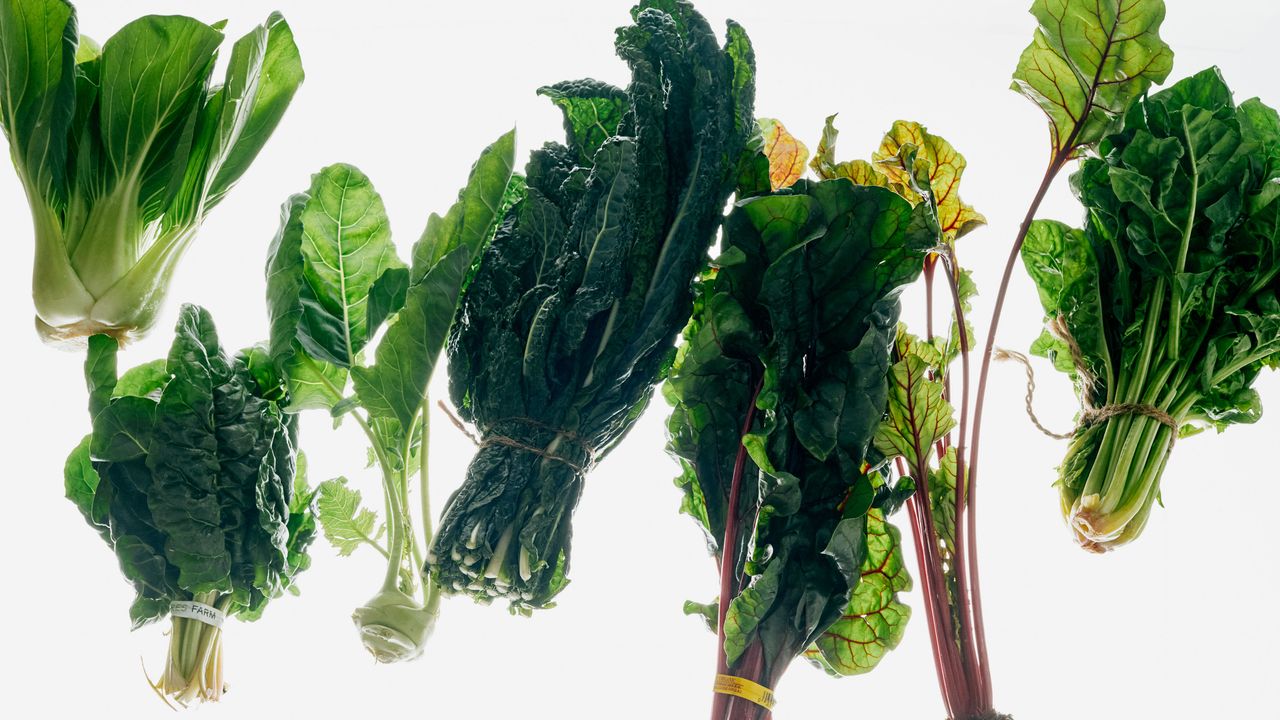
Beyond Basic Salad: Explore 15 Types of Greens and Recipes
Forget the days of a mundane iceberg lettuce side; the world of leafy greens is vast, vibrant, and bursting with flavor and nutrition. Moving beyond basic salad ingredients opens up a culinary adventure, inviting you to explore a spectrum of textures, tastes, and cooking methods. From peppery notes to earthy undertones, tender leaves perfect for delicate dishes to robust varieties that stand up to hearty cooking, greens are more versatile than you might imagine. They are not just a garnish; they are the star of countless healthy and delicious meals.Why Embrace the Green Revolution? More Than Just a Side Dish
Leafy greens have earned their superfood status for good reason. They are nutritional powerhouses, packed with vitamins, minerals, and antioxidants that support overall health. Rich in vitamins K, A, and C, as well as folate, iron, and fiber, these humble leaves contribute to everything from bone health and immune function to digestive wellness. Incorporating a wider variety of greens into your diet is a simple yet effective way to boost your nutrient intake and enhance your well-being. To dive deeper into their health benefits, explore Nourish Your Body: Unpacking the Nutritional Power of Greens. Beyond their impressive nutritional profile, greens offer an incredible array of flavors and textures, transforming ordinary meals into extraordinary culinary experiences. They can be wilted into warm salads, blended into smoothies, sautéed with garlic, or roasted to crispy perfection, proving that healthy eating can also be incredibly exciting.Exploring 15 Diverse Greens: From Mild to Mighty
To help you venture beyond your usual suspects, here are 15 types of greens, each offering a unique character and culinary potential.1. Spinach: The Versatile Classic
- Flavor Profile: Mild, slightly sweet, and earthy.
- Texture: Tender and delicate when raw, silky when cooked.
- Recipes: Excellent in salads, smoothies, quiches, pasta dishes, or simply sautéed with garlic and olive oil. Try a classic Creamed Spinach or a vibrant Spinach and Feta Stuffed Chicken Breast.
2. Kale: The Nutritional Powerhouse
- Flavor Profile: Earthy, slightly bitter, robust.
- Texture: Chewy when raw (best massaged), tender when cooked.
- Recipes: Perfect for crispy kale chips, added to soups and stews, or sautéed with lemon and chili flakes. A Massaged Kale Salad with Avocado and Lemon Vinaigrette is a popular choice.
3. Arugula: The Peppery Kick
- Flavor Profile: Pungent, peppery, slightly bitter.
- Texture: Tender, crisp leaves.
- Recipes: Ideal for adding a zesty punch to salads, pizzas, pasta, or sandwiches. Try an Arugula and Prosciutto Pizza or a simple Arugula, Pear, and Walnut Salad.
4. Romaine Lettuce: The Crisp Foundation
- Flavor Profile: Mild, slightly sweet, and refreshing.
- Texture: Crisp, firm leaves with a sturdy rib.
- Recipes: The go-to for Caesar salads, also great in wraps, grilled, or as a bed for protein. Grilled Romaine with Balsamic Glaze offers a unique twist.
5. Butter Lettuce (Boston/Bibb): The Delicate Choice
- Flavor Profile: Mild, sweet, and buttery.
- Texture: Soft, tender, and delicate leaves.
- Recipes: Best in delicate salads where its tender texture can shine, or as lettuce cups for Asian-inspired dishes. A simple Butter Lettuce Salad with Herbs and a Light Vinaigrette is divine.
6. Swiss Chard: The Rainbow of Goodness
- Flavor Profile: Earthy, slightly bitter, with a subtle sweetness, especially in the stems.
- Texture: Tender leaves with crunchy, fibrous stalks.
- Recipes: Sautéed with garlic and shallots, added to frittatas, or as a vibrant side dish. Don't discard the colorful stalks – they can be cooked similarly to asparagus. Try a Sautéed Swiss Chard with Pine Nuts and Raisins.
7. Collard Greens: The Southern Staple
- Flavor Profile: Hearty, slightly bitter, and earthy.
- Texture: Thick, tough leaves that become tender after long cooking.
- Recipes: Traditionally slow-cooked with smoked ham hocks or bacon, but also excellent braised or stewed. A true comfort food, often served with a splash of vinegar.
8. Mustard Greens: The Spicy Relative
- Flavor Profile: Pungent, peppery, and spicy, intensifying when raw.
- Texture: Tender-crisp leaves.
- Recipes: Great for stir-fries, curries, or quick sautéing. Their spicy kick adds a unique dimension to dishes, especially in Asian cuisine.
9. Bok Choy: The Asian Gem
- Flavor Profile: Mild, slightly sweet, and crisp.
- Texture: Crunchy white stalks and tender green leaves.
- Recipes: A staple in stir-fries, soups, or simply steamed with a soy-ginger dressing. Garlic Ginger Bok Choy is a simple and delicious preparation.
10. Watercress: The Peppery Bite
- Flavor Profile: Bright, peppery, and slightly bitter.
- Texture: Delicate, small leaves with tender stems.
- Recipes: Wonderful in salads, sandwiches, or blended into a vibrant soup or pesto. Its intense flavor means a little goes a long way.
11. Endive: The Chic, Bitter Crunch
- Flavor Profile: Distinctly bitter, with a crisp, refreshing quality.
- Texture: Firm, tightly packed leaves.
- Recipes: Often used as edible "scoops" for dips and appetizers, in salads to add bitterness, or grilled/braised to mellow its flavor. Try Endive Salad with Roquefort and Walnuts.
12. Escarole: The Slightly Less Bitter Cousin
- Flavor Profile: Mildly bitter, with a hearty, slightly sweet finish.
- Texture: Broad, slightly curly leaves, crisp.
- Recipes: Excellent in Italian wedding soup, sautéed with white beans and garlic, or added to mixed green salads.
13. Radicchio: The Ruby Jewel
- Flavor Profile: Pleasantly bitter, with a peppery edge.
- Texture: Firm, crisp, and slightly chewy.
- Recipes: Adds a beautiful color and bitter counterpoint to salads. Also surprisingly delicious grilled or roasted, which mellows its bitterness. Try a Grilled Radicchio with Balsamic Glaze.
14. Dandelion Greens: The Wild Card
- Flavor Profile: Intensely bitter and earthy.
- Texture: Firm, slightly fibrous leaves.
- Recipes: Best when cooked to temper their bitterness, such as sautéed with bacon, garlic, and a touch of sweetness (like honey or maple syrup). Often found in Italian and Southern European cuisine.
15. Microgreens: The Nutrient-Dense Sprinkles
- Flavor Profile: Concentrated versions of their mature counterparts (e.g., peppery radish, spicy mustard, sweet basil).
- Texture: Delicate and tender.
- Recipes: Primarily used as garnishes to add intense flavor, vibrant color, and a significant nutrient boost to almost any dish – salads, sandwiches, soups, and main courses.
Mastering Greens: Tips for Preparation and Enjoyment
Venturing into the diverse world of greens requires a few essential tips to ensure they shine in your culinary creations.Washing and Storage: Always wash your greens thoroughly to remove dirt and grit, even if they're pre-bagged. A salad spinner is your best friend for drying. Store greens in the crisper drawer of your refrigerator, preferably wrapped in a damp paper towel or in a breathable bag, to maintain freshness for longer.
Cooking Techniques:
- Raw: Delicate greens like spinach, arugula, and butter lettuce are fantastic raw. Heartier greens like kale and chard can also be eaten raw, but benefit from being massaged with a dressing to tenderize them.
- Sautéing: This is a quick and popular method. Heat olive oil or butter, add garlic, then your greens. Sauté until just wilted, adding a splash of broth or lemon juice for extra flavor. This works well for spinach, kale, chard, and mustard greens.
- Blanching: Briefly boiling greens (1-2 minutes) then plunging them into ice water preserves their vibrant color and slightly tenderizes them. Good for chard, kale, and collards before incorporating into other dishes.
- Braising/Stewing: For tougher greens like collards and dandelion greens, slow cooking in a flavorful liquid (broth, stock, or even wine) for an extended period breaks down their fibers, mellows their bitterness, and creates incredibly tender results.
- Roasting/Grilling: Unexpected but delicious! Halve or quarter greens like romaine, radicchio, or endive, brush with olive oil, and roast or grill until slightly charred. This brings out a smoky sweetness and softens bitter notes.
Flavor Pairings:
- Acidity: A squeeze of lemon juice or a dash of vinegar (balsamic, apple cider, red wine) brightens the flavor of almost any green.
- Fat: Olive oil, butter, nuts, and cheeses help carry flavors and balance bitterness.
- Sweetness: A touch of honey, maple syrup, or dried fruit can counteract bitterness in heartier greens.
- Spice: Chili flakes, fresh chilies, or mustard seeds add a welcome kick.
- Umami: Garlic, onions, mushrooms, Parmesan cheese, and anchovies deepen the savory profile of cooked greens.
Don't be afraid to mix and match! Combine tender with crisp, mild with pungent, to create salads and cooked dishes with complex layers of flavor and texture. For more advanced techniques and culinary pairings, refer to Chef's Guide: Mastering Diverse Leafy Greens and Their Cookery.
Embracing a wider array of leafy greens in your kitchen is an easy and delicious way to elevate your meals and boost your health. Each type offers a unique personality, inviting experimentation and creativity. So, step beyond the basic salad bowl and discover the incredible versatility and goodness that the green kingdom has to offer. Your taste buds, and your body, will thank you.